
Beyond the Basics: What Is Generative AI Automation and Why Does It Matter?
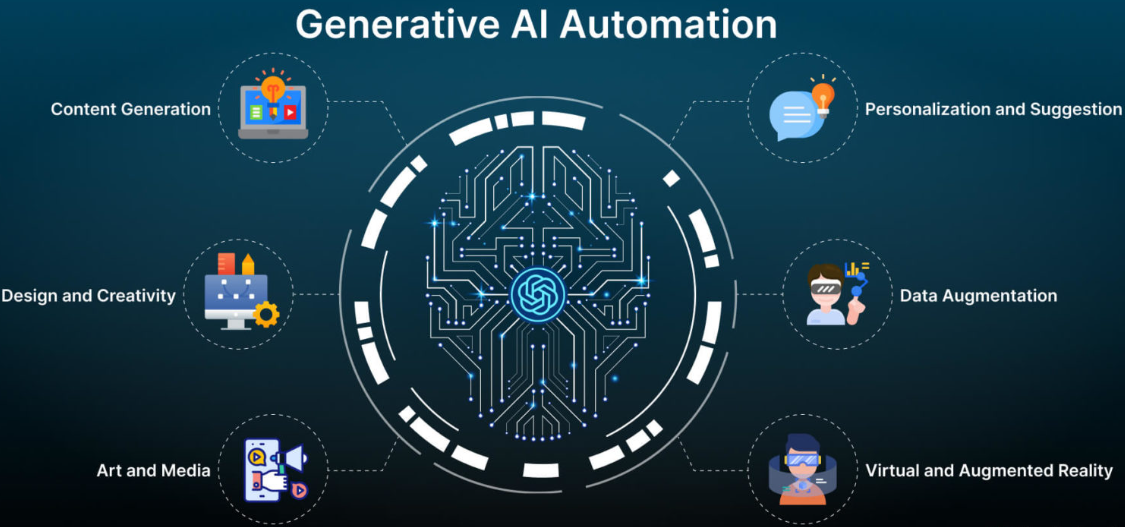
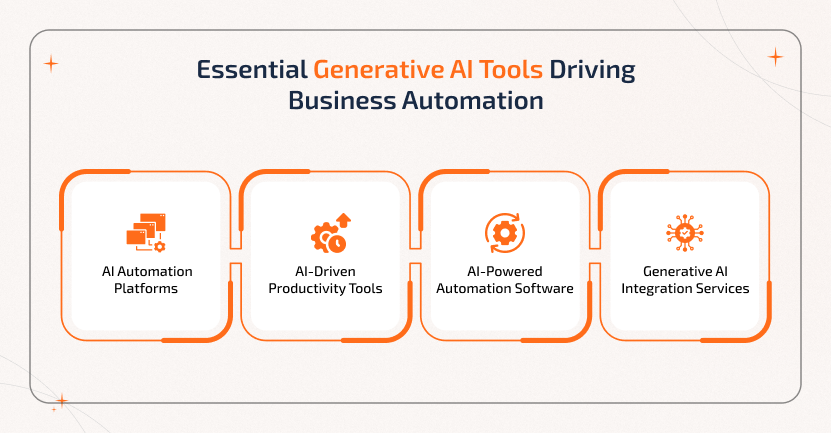
For years, the word automation conjured images of robotic arms assembling cars or software programs mindlessly moving data from one spreadsheet to another. Traditional automation was built on rigid rules:
If X happens, do Y.
But today, the landscape of work is undergoing a seismic shift thanks to a new paradigm: Generative AI Automation.
By combining the creative and problem-solving capabilities of Generative Artificial Intelligence with automated workflows, businesses are no longer just automating repetitive clicks — they are automating thinking, communication, and creation.
This article takes a deep dive into what Generative AI automation is, how it differs from traditional automation, and why it is reshaping the future of business.
What Is Generative AI Automation?


At its core, Generative AI Automation is the integration of generative AI models into automated workflows to perform tasks that require human-like understanding, reasoning, and content generation.
While traditional automation (such as Robotic Process Automation – RPA) excels at handling structured data, Generative AI automation can work with unstructured data, including:
Emails
PDFs and documents
Voice transcripts
Images
Natural language conversations
It can read, summarize, write, brainstorm, code, and make contextual decisions — often without human intervention.
Traditional Automation vs. Generative AI Automation


To truly understand this evolution, let’s compare the two approaches:
Traditional Automation is like a train: extremely fast, but locked to fixed tracks. If data changes or something unexpected happens, the process breaks.
Generative AI Automation is like a self-driving car: it understands the environment, adapts to changes, and makes decisions in real time.
Key Differences
Input
Traditional automation requires clean, structured data.
Generative AI automation handles messy, unstructured inputs.Output
Traditional automation performs actions.
Generative AI automation creates new content.Adaptability
Traditional automation fails when rules change.
Generative AI automation infers context and adapts.
How Does It Work in Practice? (Real-World Use Cases)


Generative AI automation shines when it bridges human communication and digital execution.
1. Next-Generation Customer Support
Instead of rigid chatbots, AI systems can:
Read complaint emails
Understand sentiment and urgency
Cross-reference CRM data
Draft personalized, empathetic responses
All automatically.
2. Marketing and Content Operations
AI can:
Monitor trending topics
Generate blog drafts
Create social media variations
Design images
Send content for approval before publishing
This dramatically accelerates content velocity.
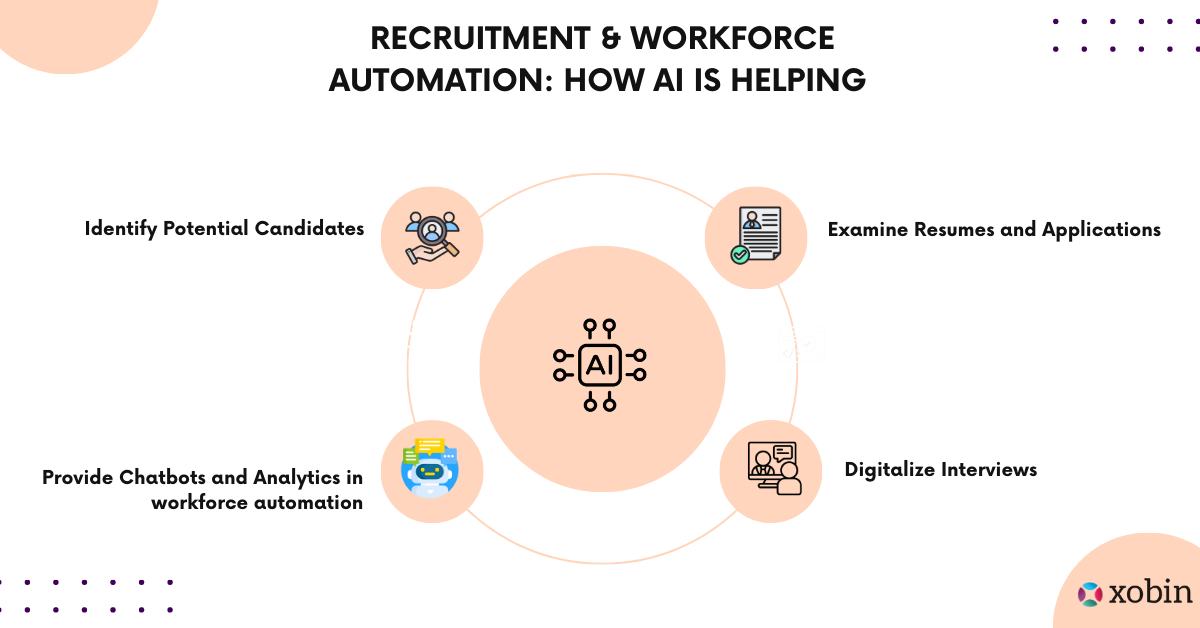
3. Human Resources & Recruitment
From hundreds of resumes, AI can:
Analyze unstructured CVs
Rank candidates intelligently
Draft interview invitations or rejection emails
Saving recruiters dozens of hours.
4. Software Development
Developers use AI automation to:
Generate boilerplate code
Write documentation
Detect bugs
Suggest fixes autonomously
Business Benefits of Generative AI Automation
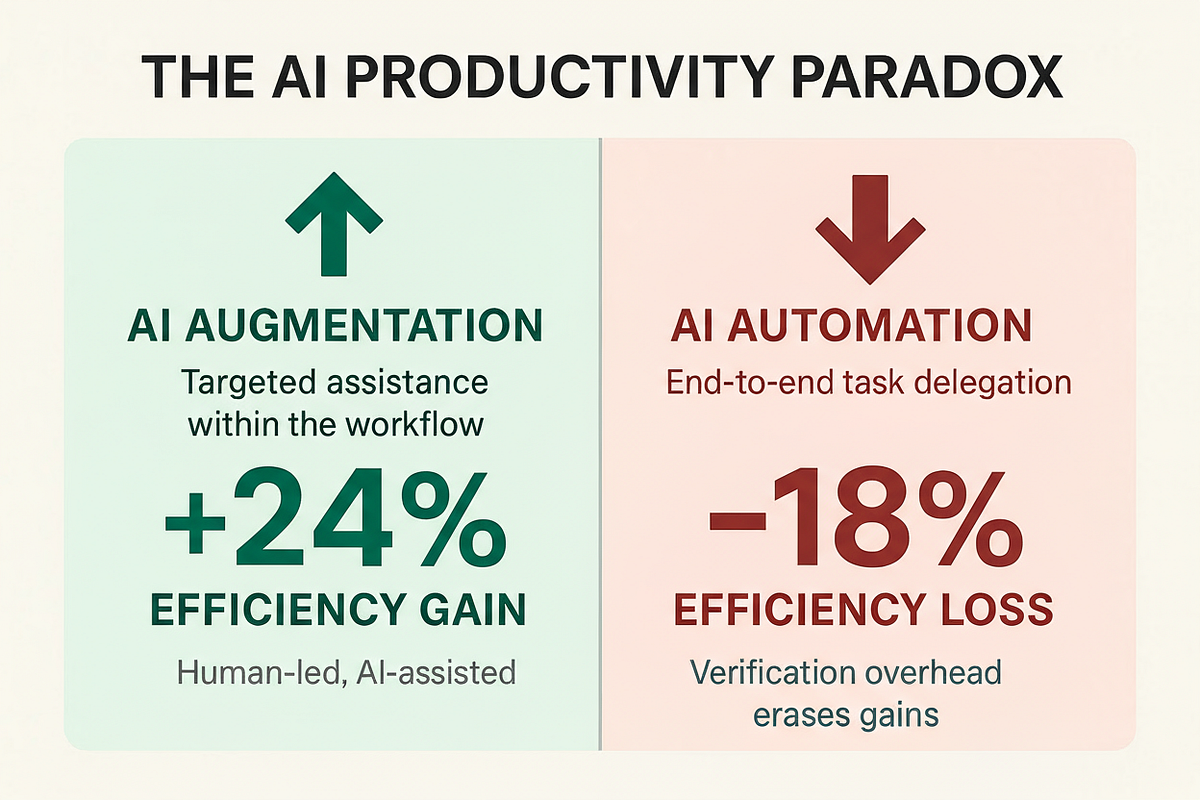
The benefits are transformative:
Hyper-Scalability
Deliver personalized services at massive scale without hiring more staff.Reclaiming Human Capital
Employees focus on strategy and creativity instead of repetitive cognitive tasks.Faster Decision-Making
AI analyzes massive documents and data instantly to extract insights.
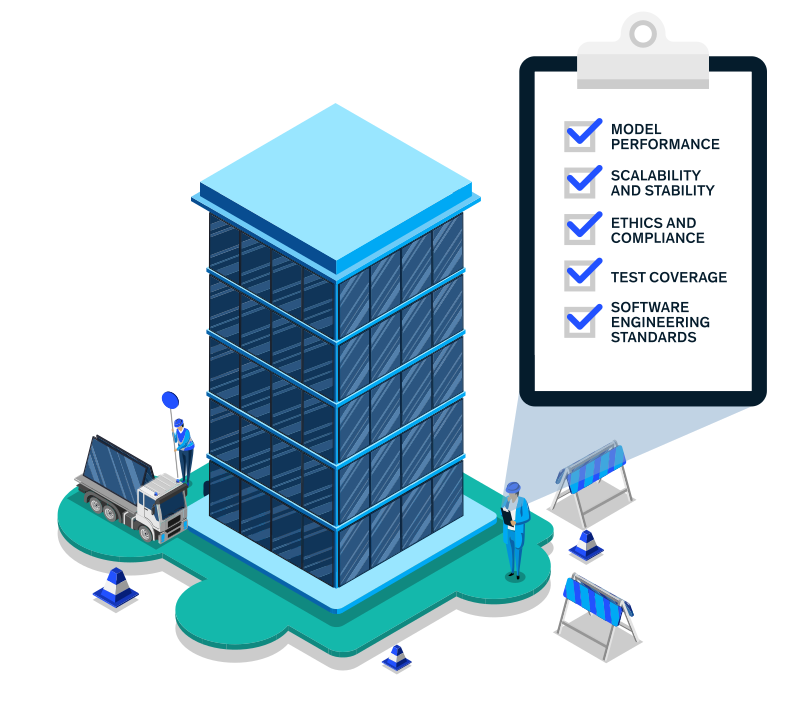
Challenges and Risks to Consider
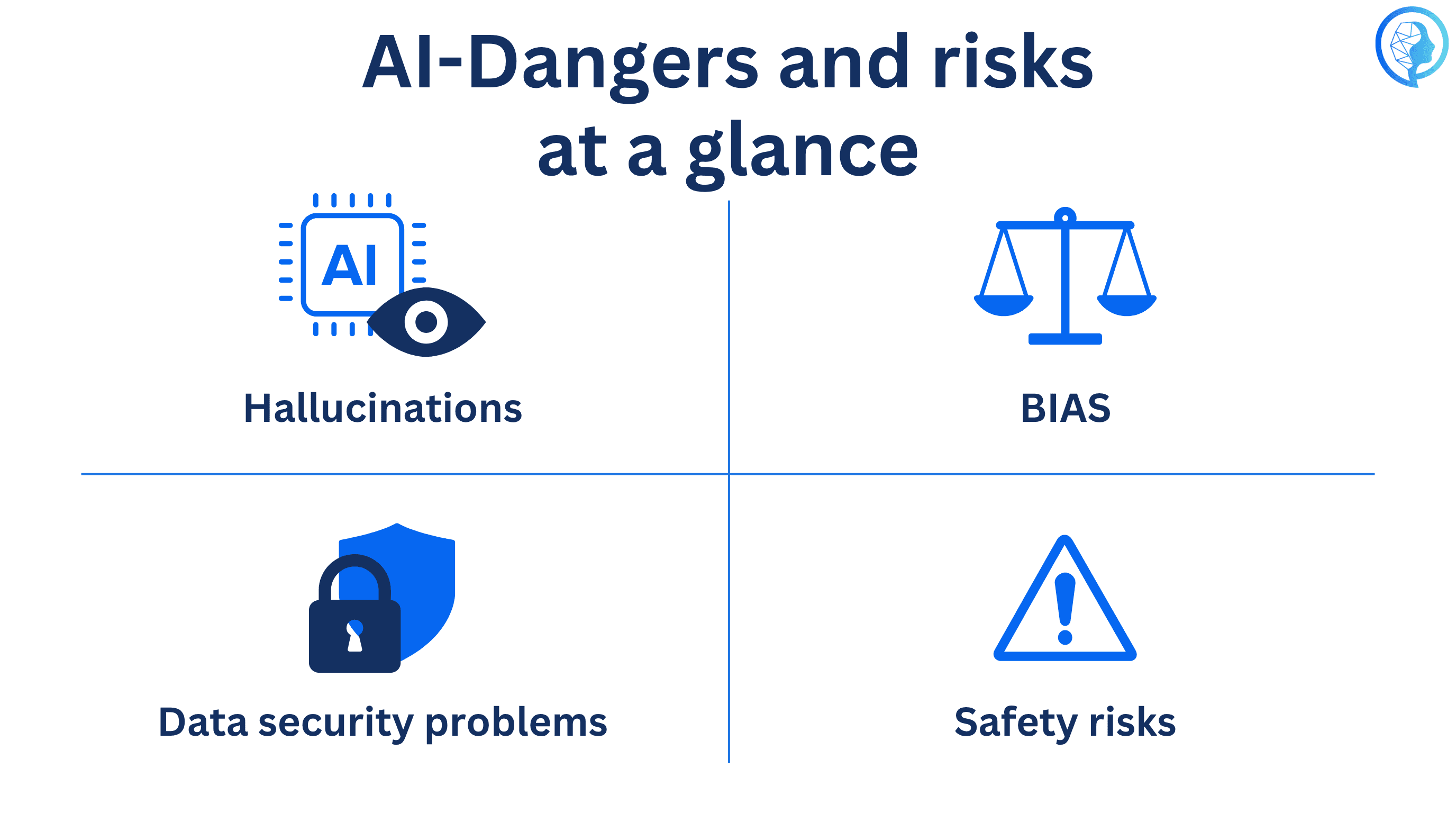

Despite its power, Generative AI automation carries risks:
Hallucinations: AI can confidently generate incorrect information.
Data Privacy: Sensitive data must be protected.
Compliance & Trust: Automated decisions require oversight.
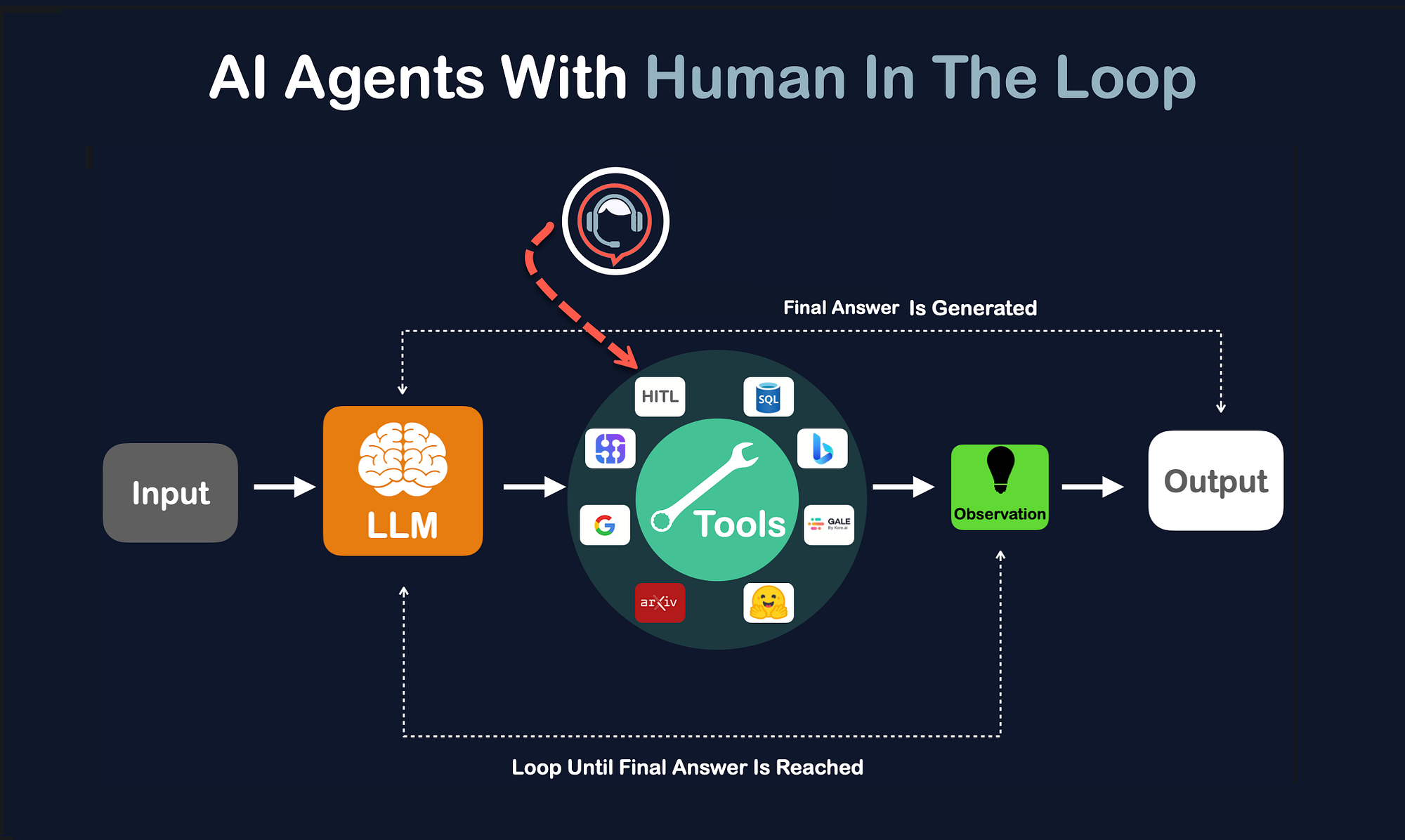
This is why most successful implementations use a Human-in-the-Loop (HITL) model:
AI handles 90% of the work
Humans review and approve final outputs
The Future: The Rise of Agentic AI

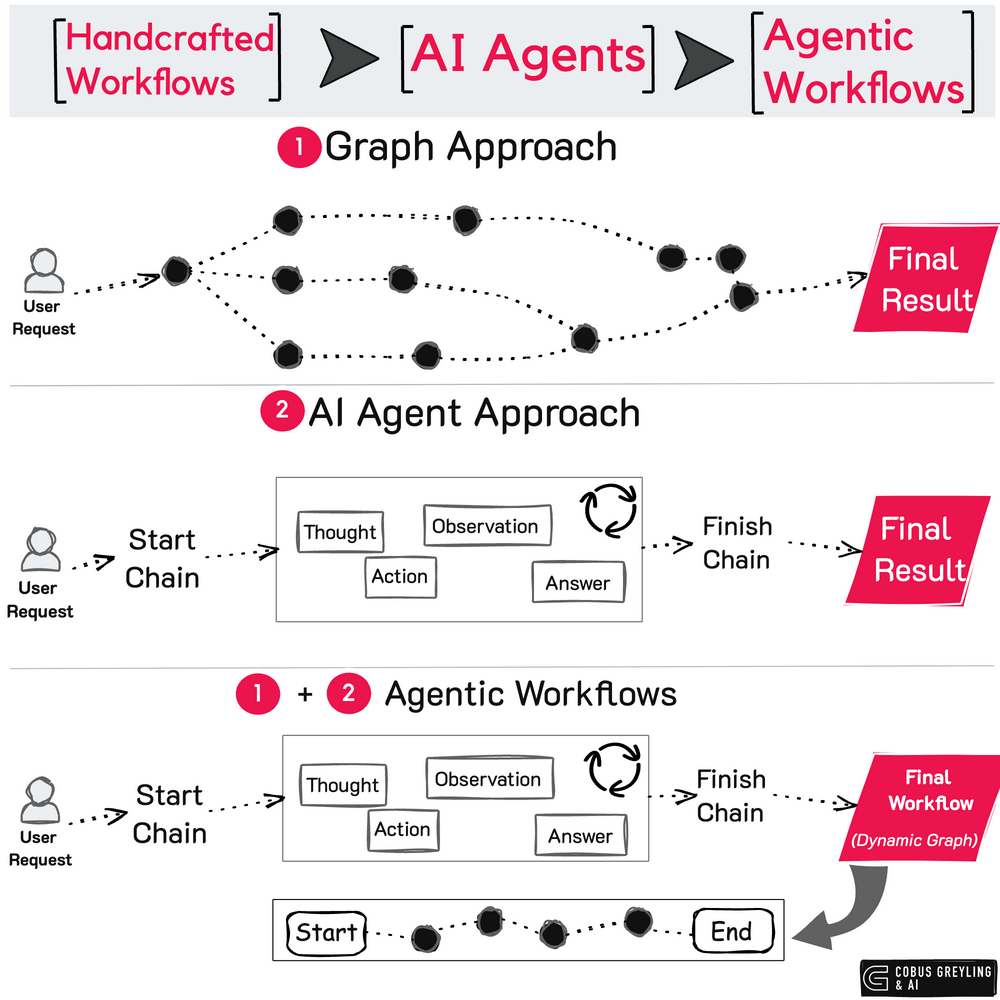

The next evolution is Agentic AI — autonomous AI agents.
Instead of following predefined workflows, AI agents can:
Receive high-level goals
Break them into tasks
Research, analyze, and create
Evaluate and improve their own output
Deliver final results independently
This marks the transition from automation to autonomy.
Conclusion
Generative AI automation represents a fundamental shift in how businesses operate.
We are moving from machines that simply execute instructions to systems that collaborate with humans on intellectual work.
For business leaders, marketers, developers, and entrepreneurs, the real question is no longer if Generative AI automation matters — but how fast it can be implemented.
Those who adopt it early will operate with unmatched speed, creativity, and efficiency in the years ahead.null


0 Comments