
Gemini: A Comprehensive Analysis of Google DeepMind’s Natively Multimodal Foundation Model
Abstract
The rapid advancement of artificial intelligence has led to the development of increasingly sophisticated large language models capable of multimodal reasoning. Gemini, developed by Google DeepMind under Google, represents a major evolution in AI system architecture. Unlike earlier unimodal models, Gemini processes text, images, audio, and code simultaneously. This paper evaluates its architecture, operational tiers, ecosystem integration, and competitive positioning relative to ChatGPT developed by OpenAI.
1. Introduction
Artificial intelligence has transitioned from rule-based systems to transformer-based neural architectures capable of complex reasoning. The introduction of Gemini in December 2023 marked a paradigm shift toward fully integrated multimodal intelligence (Pichai & Hassabis, 2023). Unlike previous AI systems that primarily processed text, Gemini was engineered to unify multiple data streams within a single cognitive architecture.

2. Evolution from Unimodal to Multimodal Systems
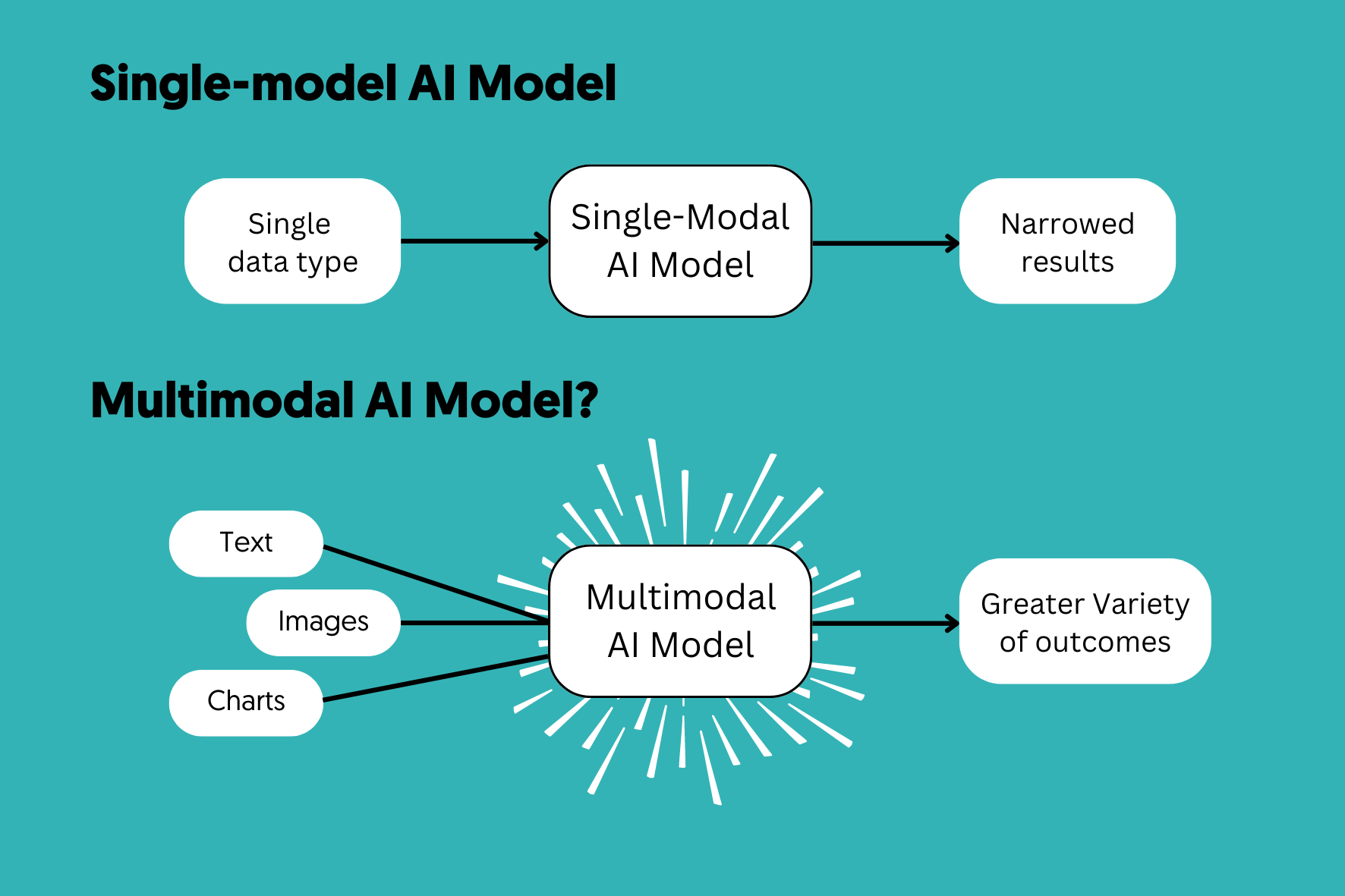
Early generative AI systems were text-centric. Image and audio capabilities were later added through separate processing pipelines, often limiting deep cross-modal reasoning. Gemini eliminates this bottleneck by training across text, imagery, code, and audio concurrently (Google DeepMind, 2023). This unified design enables tasks such as extracting formulas from images and generating executable code from visual input.

3. Architectural Design and Model Training
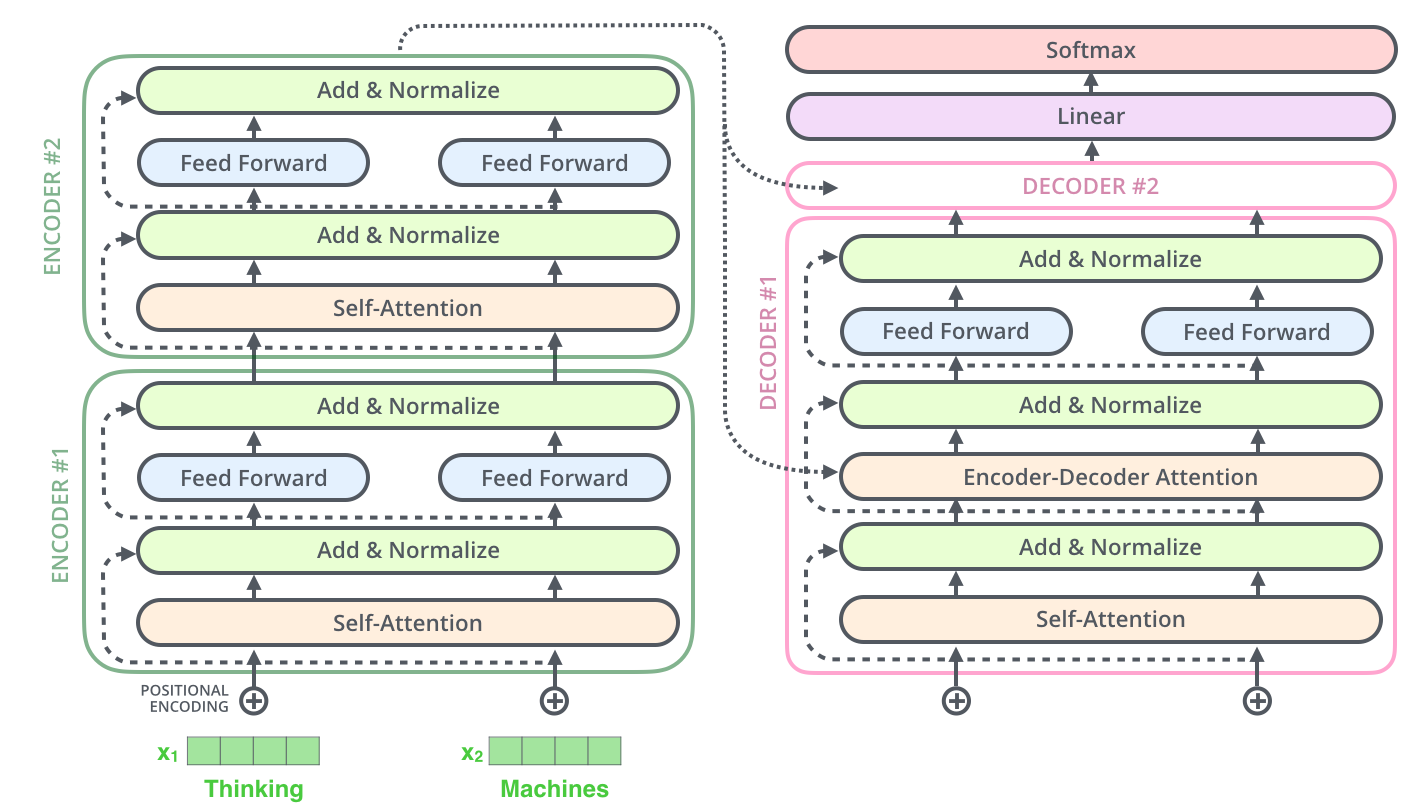
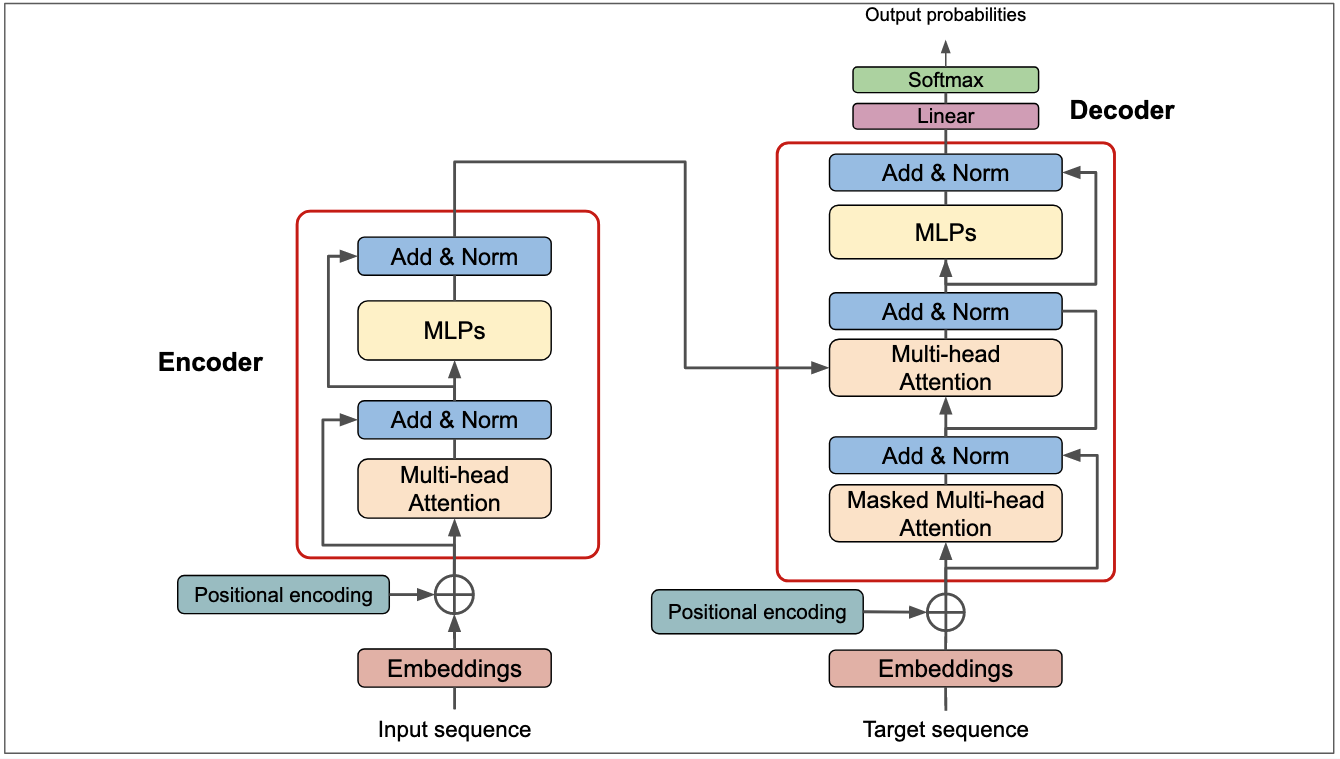
Gemini is built upon advanced transformer-based neural networks optimized for scalability. Its architecture integrates modalities at deep representational layers, minimizing information loss. Post-training alignment techniques, including reinforcement learning with human feedback, are applied to enhance factual reliability and safety compliance.
4. Operational Tiers: Ultra, Pro, and Nano
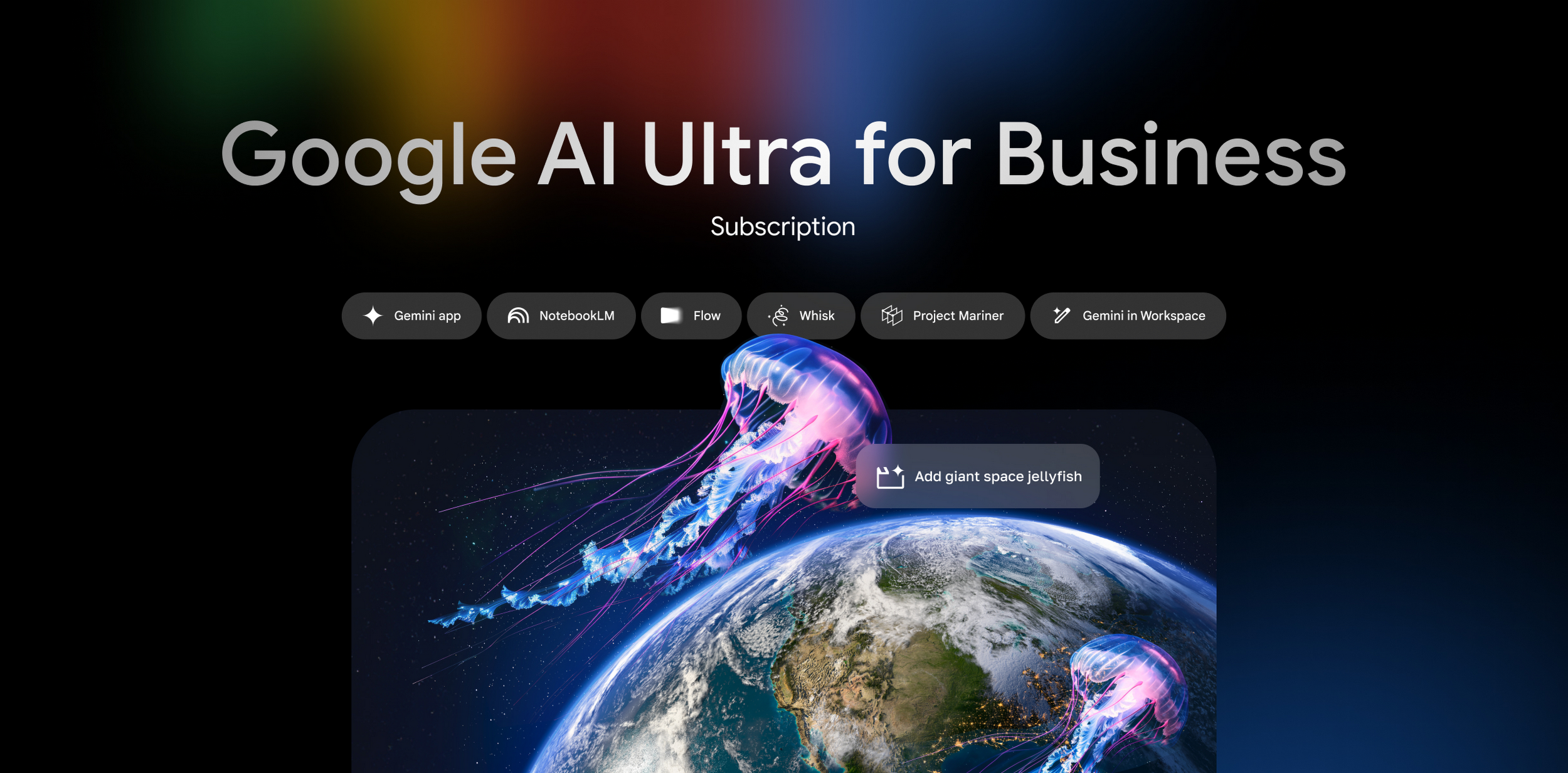
Google structured Gemini into three tiers to optimize deployment across computational environments:
Gemini Ultra – Enterprise-level reasoning and research
Gemini Pro – General productivity and web interface
Gemini Nano – On-device mobile processing
This tiered strategy allows scalable implementation from cloud data centers to edge computing environments.
5. Ecosystem Integration
A defining strength of Gemini is its integration into Google’s ecosystem. It operates directly within Gmail, Google Docs, Sheets, Android OS, and Google Search. This transforms Gemini from a standalone AI assistant into a systemic productivity infrastructure embedded within everyday digital workflows.
6. Comparative Analysis: Gemini vs. ChatGPT
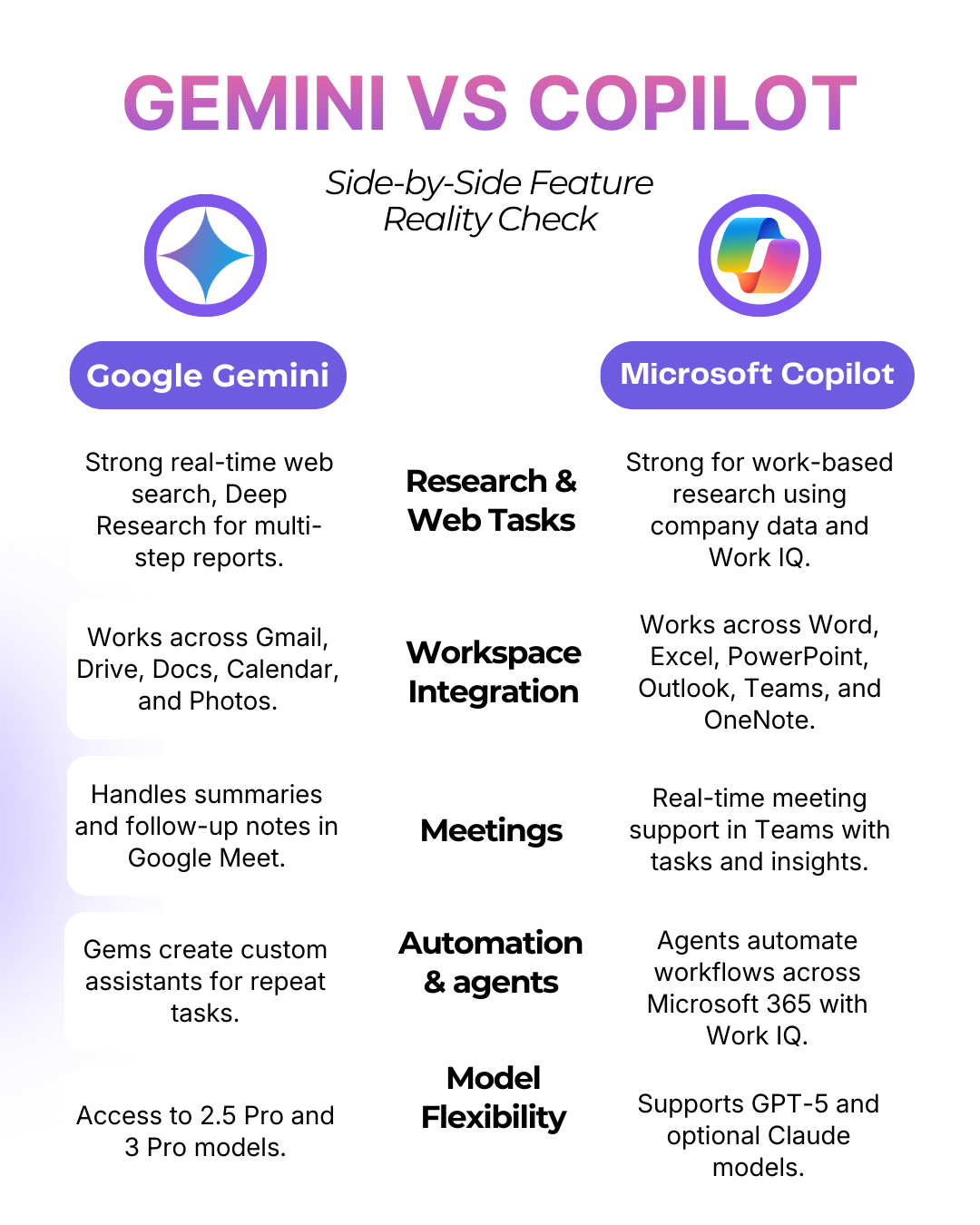
Gemini and ChatGPT represent two dominant paradigms in generative AI development. While ChatGPT emphasizes API accessibility and Microsoft ecosystem integration, Gemini prioritizes native multimodal architecture and Google Workspace embedding. Both systems incorporate real-time search integration, yet differ in deployment structure and strategic orientation.

7. Applications Across Domains
Gemini’s capabilities extend across education, enterprise, software development, and research. Students employ it for conceptual explanations and problem-solving. Businesses leverage it for drafting reports and automating workflows. Developers use it for debugging and code generation. Researchers apply it to synthesize large datasets and interpret complex diagrams.


8. Ethical Considerations and Limitations
Despite its advancements, Gemini faces challenges common to generative AI systems, including hallucinations, algorithmic bias, and privacy concerns. On-device deployment via Gemini Nano mitigates certain privacy risks, yet broader governance frameworks remain necessary to ensure responsible deployment.


9. Implications for Artificial General Intelligence (AGI)
Multimodal integration is frequently viewed as a step toward Artificial General Intelligence. While Gemini demonstrates advanced reasoning capabilities, it remains task-specific and dependent on large-scale training data. Its development nonetheless contributes meaningfully to the broader pursuit of integrated cognitive architectures.
10. Conclusion
Gemini represents a structural evolution in artificial intelligence design. By embedding multimodal cognition into scalable computational tiers and integrating deeply within the Google ecosystem, it redefines AI from a conversational tool into foundational digital infrastructure. Continued research will determine its long-term impact on enterprise systems, academic environments, and the trajectory toward more generalized intelligence.



0 Comments