
AI Tools That Can Replace Human Jobs in 2026
Artificial intelligence is transforming the global workforce faster than ever before. From content creation to customer support, businesses are increasingly relying on automation to improve productivity and reduce costs. As a result, many professionals are wondering whether AI tools replacing human jobs is becoming the new reality.
In 2026, AI is no longer limited to simple automation tasks. Modern AI systems can write articles, analyze data, create videos, answer customer questions, and even assist with programming. While this technological shift creates new opportunities, it also raises concerns about the future of work with AI.
In this article, we explore the most powerful AI tools that can replace human jobs, the professions most at risk, and how workers can adapt to this new era of intelligent automation.
The Rise of AI Automation in the Workplace

Artificial intelligence has rapidly evolved over the past few years. Companies now use AI-powered tools to automate repetitive tasks that previously required human effort.
Many organizations adopt AI because it offers several advantages:
Faster task completion
Lower operational costs
24/7 availability
Improved data analysis
Reduced human error
As AI continues to improve, the number of AI automation jobs is increasing. Businesses are discovering that one employee using AI tools can produce the same output as several workers without automation.
However, this does not necessarily mean that humans will become obsolete. Instead, AI is reshaping roles and requiring workers to develop new skills.
Jobs Most Likely to Be Replaced by AI
Some professions are more vulnerable to automation because they rely heavily on repetitive or rule-based tasks. These roles are easier for artificial intelligence to learn and replicate.
Here are some of the jobs most likely to be replaced by AI in the coming years.
Data Entry Clerks
AI systems can now extract information from documents and databases automatically.
Customer Service Representatives
AI chatbots can answer thousands of questions simultaneously without fatigue.
Content Writers (Basic Content)
AI writing assistants can generate product descriptions and SEO articles quickly.
Graphic Designers (Basic Tasks)
AI image generators can create logos and illustrations from text prompts.
Translators
Machine translation tools can translate documents instantly across multiple languages.
AI Tools That Are Transforming Work in 2026
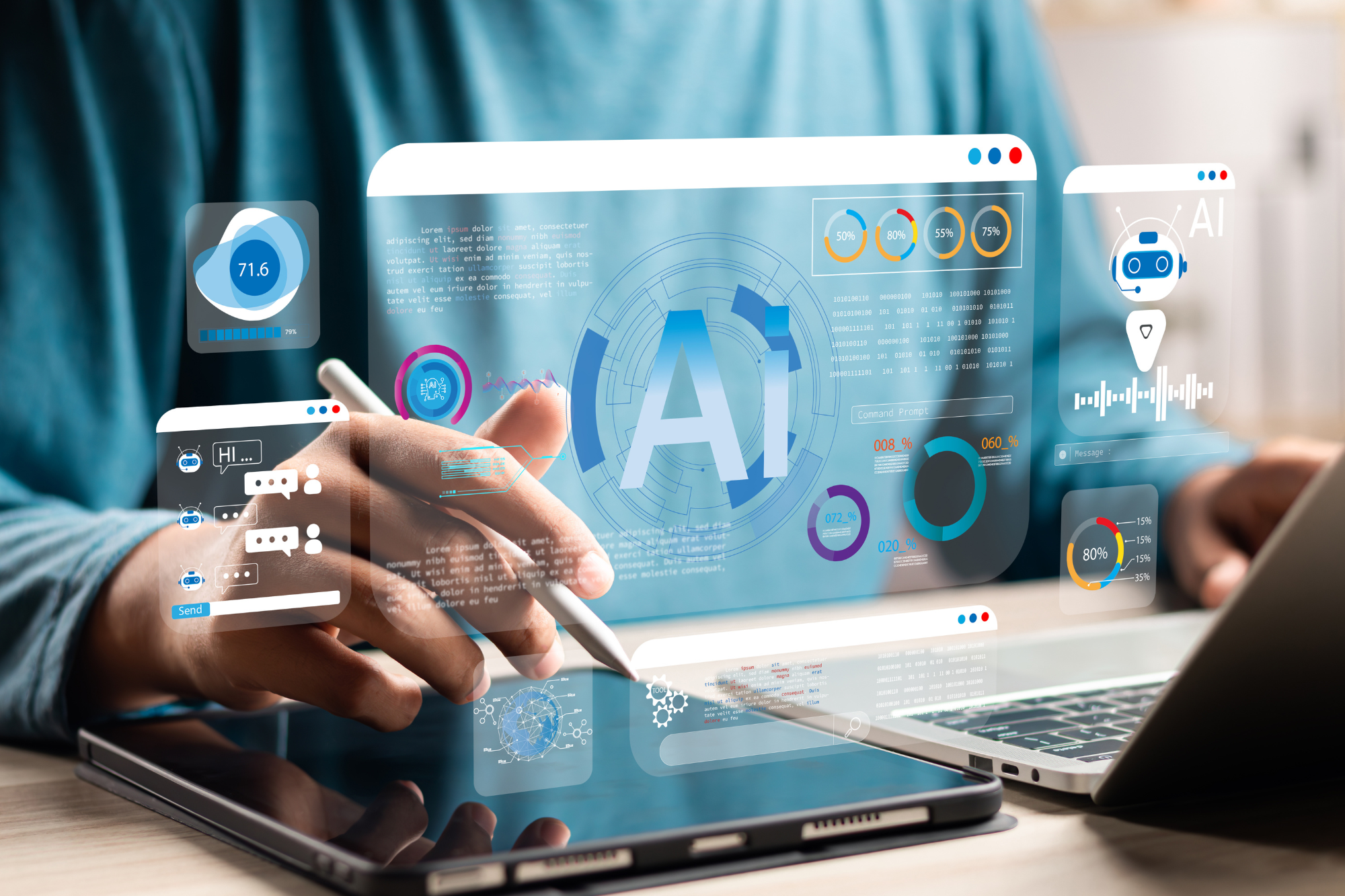

Several AI platforms are leading the automation revolution. These tools help individuals and companies perform tasks faster and more efficiently.
AI for Content Creation
ChatGPT – AI assistant for writing and research
Jasper AI – Marketing content generation
Copy.ai – AI copywriting platform
These tools significantly reduce the time required to produce content.
AI for Video and Media Production
Runway ML – AI-powered video editing and generation
Synthesia – Create AI avatar videos from text
ElevenLabs – Realistic AI voice generation
These platforms allow creators to produce professional media content with minimal effort.
AI for Automation and Productivity
Zapier – Automates workflows between apps
Notion AI – AI-powered productivity and organization
Perplexity AI – AI search engine for research
These tools enable professionals to focus on high-value work instead of routine tasks.
Jobs That AI Cannot Easily Replace
While many professions are affected by automation, some careers remain difficult for AI to replicate.
These roles rely on uniquely human abilities such as creativity, empathy, and complex decision-making.
Examples include:
Psychologists and therapists
Teachers and educators
Skilled trades (electricians, plumbers)
Entrepreneurs and business leaders
These professions require emotional intelligence, human interaction, and real-world problem-solving that AI still struggles to replicate.
How to Protect Your Career from AI Automation

Instead of fearing automation, professionals should learn how to work alongside AI tools.
Learn How to Use AI Tools
Understanding AI platforms can significantly increase productivity.
Develop Creative Skills
Creative thinking and innovation remain essential human strengths.
Focus on Problem-Solving
Complex strategic thinking is still difficult for machines.
Build Human Connections
Networking and emotional intelligence remain extremely valuable.
Conclusion
Artificial intelligence is reshaping industries and transforming the way we work. Many repetitive jobs are already being replaced by AI automation tools, and this trend will continue in the coming years.
However, the future is not purely about machines replacing humans. Instead, it is about human-AI collaboration. By learning how to use AI tools effectively and focusing on uniquely human skills, professionals can thrive in the rapidly changing job market.
The key to success in 2026 is not resisting artificial intelligence but learning how to work with it.


0 Comments